
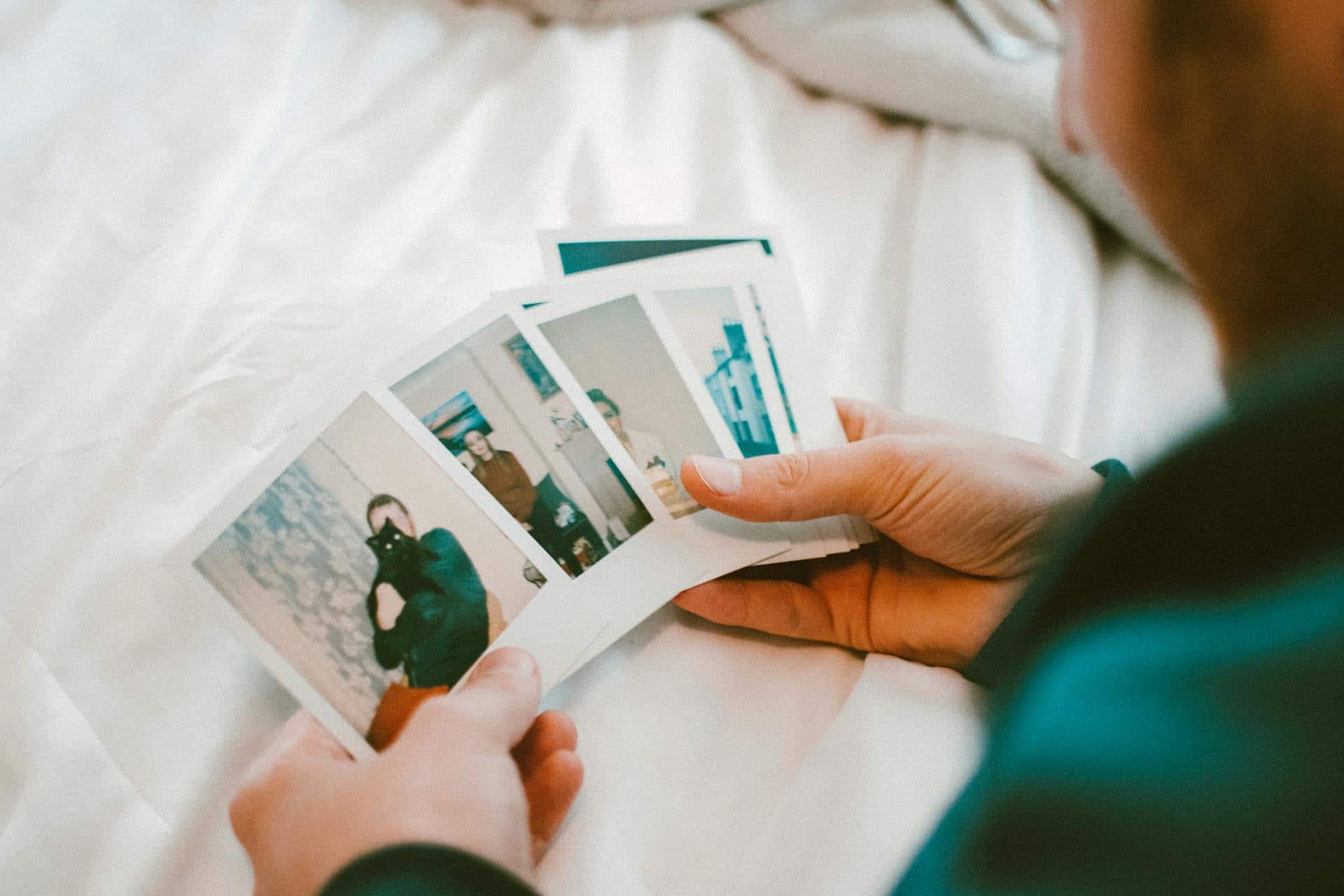
Many people wonder which memories to record for their family. Not because they want to write a long autobiography, but because they want the important parts of their life to remain understandable later.
You don’t need to document everything. A few stories, moments, and reflections are often enough to give photos, documents, and family history real meaning.
Why Recording Memories Matters
Memories help families understand their own history.
Children and grandchildren often want to know:
- what life was like when you were young
- how important decisions were made
- which moments shaped your values
- what everyday life looked like in a different time
Without documentation, much of this knowledge disappears within one or two generations.
Photos and documents capture events. Personal memories explain why those events mattered.
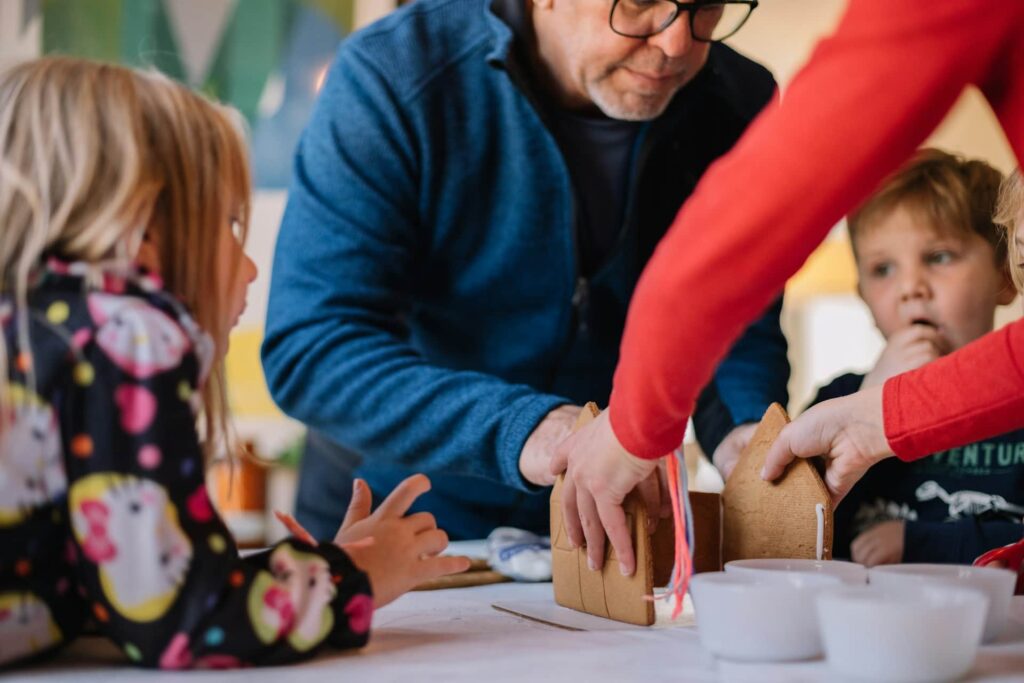
Start With Moments That Tell a Story
You do not need to document everything. Instead, focus on moments that reveal something about your life.
Examples include:
- childhood memories that shaped you
- the story of how you met your partner
- the place you grew up
- the job or project that influenced your life most
- an unexpected turning point
Even short descriptions can give photos and documents meaning.
If you already have photos from these moments, it can help to store them together with the story behind them.
💡 You can organize photos and memories inside your Moments collection in Meolea, so the story stays connected to the image.

The Experiences That Shaped You
Some memories are important because they explain who you became.
You might consider documenting:
- challenges you overcame
- decisions that changed your direction
- mentors who influenced you
- lessons learned through mistakes
- values you developed over time
These reflections are often more valuable to family members than a list of life events.
They help others understand how you approached life.

Family Stories That Should Not Be Lost
Every family has stories that are passed down informally.
But oral stories often disappear when the people who tell them are gone.
Consider writing down:
- where your family originally came from
- stories about grandparents or earlier generations
- traditions that were important in your household
- how major historical events affected your family
These stories create continuity between generations.
Everyday Life Is Often the Most Interesting
People often focus on major life events. But everyday life is often the most fascinating for future generations.
Think about documenting things like:
- what a typical day looked like when you were young
- how people communicated before smartphones and the internet
- how your hometown has changed
- what school or work was like in your time
These small details provide context that photos alone cannot show.
Messages You Would Like Your Family to Remember
In addition to memories, many people choose to record personal messages.
This might include:
- advice you would give your children
- values that guided your decisions
- hopes you have for future generations
- reflections on what mattered most in your life
Some people choose to write these messages as personal letters.
💡 In Meolea, you can write private Letters to loved ones that can be shared at the right time.
How to Start Recording Your Memories
You do not need a complex structure.
A simple approach works well:
- Start with a few meaningful moments.
- Add short explanations of why they matter.
- Connect photos, places, or people to the story.
Over time, these pieces form a coherent life story.
If you prefer guidance, you can also work with structured prompts.
💡 Our Life Story feature provides questions and prompts that help you document important parts of your life step by step.
Recording Memories Is Part of Life Planning
When people think about life planning, they often focus on documents such as:
- living wills
- powers of attorney
- insurance information
These are important.
But personal memories are another part of the story. They help future generations understand not only what happened, but who you were.
A well-organized life record can include:
- documents and legal information
- important contacts and accounts
- personal messages
- photos and memories
This combination creates a more complete picture for the people who come after you.
Conclusion
Recording memories does not require writing a full biography.
A small collection of meaningful stories, reflections, and everyday details can already help your family understand your life more clearly.
Over time, these memories become part of your family’s shared history.
If you would like to organize your memories, photos, and life stories in one place, Meolea allows you to document them gradually and keep them securely connected with the rest of your life planning.
You can start with just a few moments and build from there.
Meolea makes End-of-Life Planning and Legacy Management super simple! In 5 minutes you can start making preparations and invite your family members.