

Most people who don’t have a living will aren’t careless or irresponsible. They’re convinced that it doesn’t apply to them. This article is for exactly those people.
Who needs a living will?
The short answer is: more people than usually assume.
Many associate a living will with old age, serious illness, or “death”. Because of this, many people postpone the topic. Not because they disagree with it, but because they feel it belongs to a different phase of life.
That’s understandable, but don’t fall into this trap! Oh, and if you need a little refresher, we have a great guide on what is a living will!
Take our test and see how well you are prepared for later:
The common assumption: “I’ll decide when the time comes”
Many healthy people assume they will be able to make their own medical decisions if something ever happens.
In most everyday situations, that is true.
But a living will exists precisely for the situations in which that assumption no longer holds.
Serious accidents, strokes, infections, or unexpected complications can lead to sudden loss of consciousness or cognitive ability. In those moments, decisions often cannot wait. Medical teams must act based on the guidance available.
One important point should be clear: As long as you are able to communicate your wishes, your decisions will always be respected. A living will only becomes relevant when you cannot express them yourself.

Why age is not a reliable indicator
Younger adults often believe living wills are primarily for older people.
In practice, younger individuals are statistically more likely to experience unexpected medical events, while older individuals more often face anticipated health developments.
This difference matters.
When a situation is anticipated, there is usually time for conversation. When it is sudden, there often is not.
For people who live independently, are unmarried, or have complex family dynamics, this becomes particularly relevant. In the absence of written guidance, responsibility may fall to people who care deeply — but are unsure of your preferences.
When people “know you” – but still don’t know what to decide
We often get told that the reason for postponing a living will is trust in family or partners. Many people believe that those closest to them will intuitively know what to do.
In reality, medical decisions under pressure are rarely intuitive. Even with a medical background, most people simply feel overwhelmed when someone close to them is facing treatment limits, life-sustaining measures, or long-term outcomes.
Disagreement in these situations is not a sign of dysfunction. It is a sign that values were never made explicit.
A living will does not remove emotional difficulty from such moments, but it does remove ambiguity about intent.
A practical example
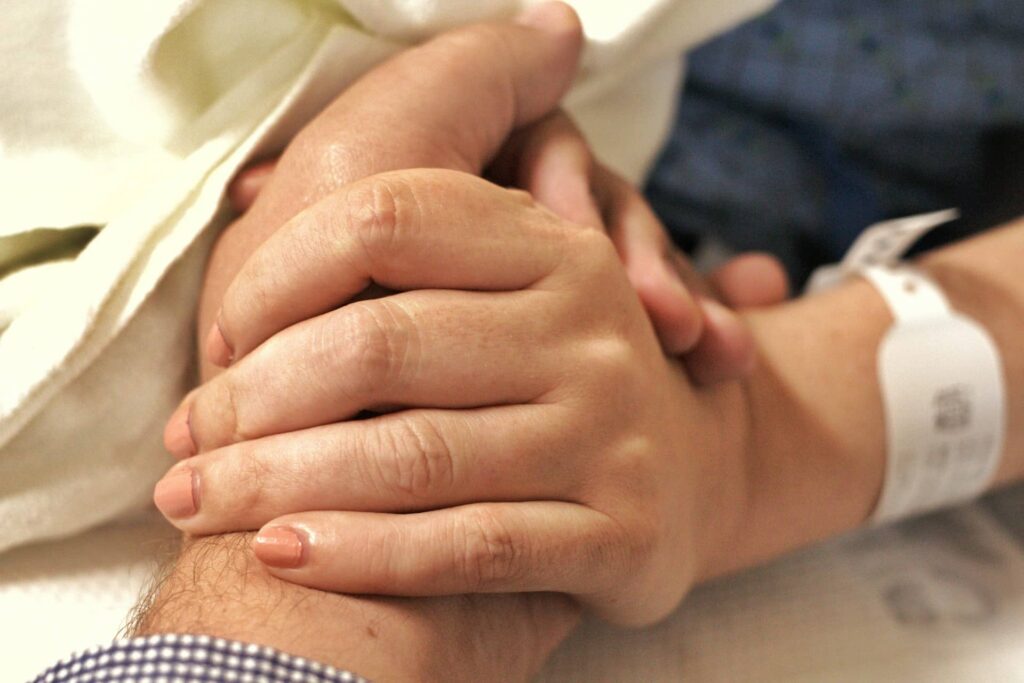
Consider a woman in her early 50s with no serious health issues. After a sudden medical emergency, she is unconscious and unable to communicate. Doctors stabilize her, but further treatment depends on how aggressively care should continue if neurological recovery is uncertain.
Her partner believes she would want all available options pursued. Her parents recall conversations where she expressed concern about prolonged intensive care. No one is acting in bad faith, but the lack of written guidance turns a medical question into a personal conflict.
This is a typical scenario that happens every day across hospitals around the world and it illustrates why living wills are most relevant before people feel they are needed.
How Meolea fits into this
Meolea is designed for people who want to make their decisions heard without the complex jargon. Instead of starting with legal language, we start with values and practical questions. The process is structured, but not rigid. Documents can be updated, stored securely, and shared with trusted contacts.
Our goal is not to push people into decisions, but to make it easier to articulate them and to ensure they are available when needed.
So who really needs a living will?
If you’ve ever thought “this probably doesn’t apply to me yet”, you’re exactly who this is for. Best part: It only takes a few minutes with our Meolea Living Will Generator and you can have peace of mind forever! Cool, huh?
❤️ If you’d like to start at your own pace, explore your living will with Meolea today and take the first step!
Frequently asked questions about who needs a living will
Do healthy people really need a living will?
Yes. Living wills are most often needed after sudden, unexpected events — not long illnesses.
Isn’t this something I can do later?
You can, but many people never feel the “right time.” Starting early keeps the decision in your hands.
What if I don’t know what I’d want yet?
That’s normal. A living will can evolve as your views become clearer.
Can I change it later?
Yes. You can update or revoke it at any time, as long as you’re mentally capable.
Is this only relevant for older adults?
No. Age doesn’t determine when medical decisions might become necessary.
Meolea makes End-of-Life Planning and Legacy Management super simple! In 5 minutes you can start making preparations and invite your family members.