




Retirement is not only a financial milestone. It is also a good moment to ask what your family would need if they ever had to help you.
When someone retires, a lot changes.
At first, most people think about the obvious things: more time, less work, maybe travel, family, hobbies, or finally doing some of the things that kept getting pushed back. And of course, many people also think about money. Pensions, savings, insurance, housing, healthcare costs, and whether everything is enough for the years ahead.
All of that matters.
But there is another side of retirement that families often do not talk about early enough. It is the moment when life becomes a little less about building and rushing, and a little more about asking: What have I built? What do I want the next years to feel like? And if something happened one day, would my family know where to find what matters?
That does not mean retirement should feel heavy or frightening. It simply means that alongside financial planning, there is another kind of preparation that can make life easier for the people you love.

Would your family know where everything is?
A simple but important question is: would your family know where everything is if they ever needed to step in?
This is not meant in a dramatic way. It is not because something bad is about to happen. But after decades of life, there are usually many important things spread across different places.
Many families assume the important things are “somewhere.” A folder in a drawer. A file on a laptop. A password in a notebook. A contact saved in a phone. A document stored with a lawyer, bank, doctor, or insurance provider. You probably know what we are talking about here.
While everything is calm, that may feel fine. But when families suddenly need information, “somewhere” can become a heavy word.
When families suddenly need information, “somewhere” can become a heavy word.
They may not know which document is current. They may not know where the original is stored. They may not know who to call first. They may not know what someone would have wanted.
And often, that uncertainty appears at exactly the moment when people are already worried, tired, or grieving.
Four things worth organizing around retirement
A good place to start is with documents, emergency information, wishes, and memories.
You do not need to organize your whole life in one weekend.
Most families benefit more from a simple starting point than from a perfect system. Around retirement, these four areas are especially helpful.
1. Important documents
Your family should not have to search through drawers, emails, and old folders to find essential documents.
Important documents might include insurance policies, pension records, bank information, property documents, tax records, medical documents, powers of attorney, advance care documents, wills, or funeral-related information.
The exact list depends on your life and your country. But the basic question is the same: If someone had to help you tomorrow, would they know where the important documents are?
It can also help to note where the originals are stored. Some documents may be digital. Some may be physical. Some may be with a lawyer, notary, bank, doctor, or family member.
Even a simple overview can save loved ones hours of searching later.
2. Emergency information
In an emergency, small pieces of information can become very important very quickly.
Your family may need to know who your doctors are, what medication you take, whether you have allergies, what health insurance you use, who should be contacted first, or who has access to a spare key.
They may also need practical household information: Who takes care of pets? Which neighbor can help? Where are important cards, keys, or documents? Are there regular appointments, care arrangements, or people who should be informed?
These details may seem ordinary now. But ordinary details become valuable when someone else suddenly has to step in.
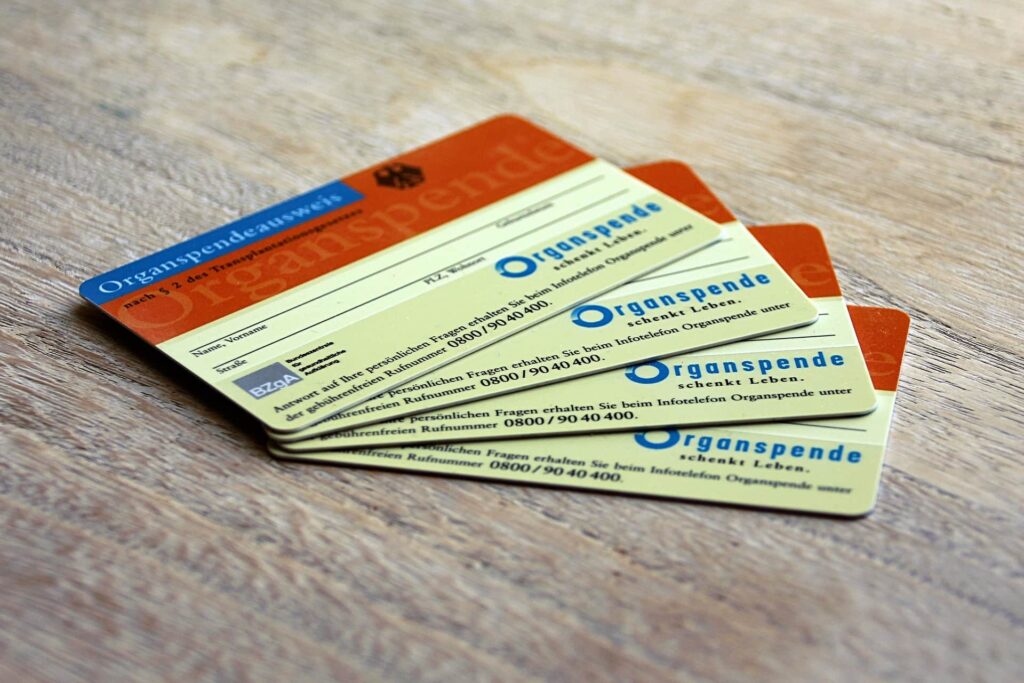
3. Wishes and instructions
Documents can answer legal questions, but wishes help your family understand what you would have wanted.
Many families struggle not only because something is missing legally, but because they are unsure emotionally.
What kind of care would someone want? Who should be involved in decisions? Are there funeral wishes? Are there religious, personal, or cultural preferences? Are there belongings with special meaning? Are there things someone definitely would or would not want?
These conversations can feel difficult, so many people postpone them. But writing down even a few wishes can give loved ones relief later. It can turn a painful guess into a guided decision.
You don’t need to worry about controlling every future detail, just get started and add to it piece by piece.
4. Memories and personal legacy
Your family may need practical clarity, but they will also cherish the personal things only you can leave behind.
Retirement planning often focuses on money and documents. But people do not only leave behind paperwork.
They leave behind stories, values, jokes, recipes, photos, lessons, family history, favorite places, small traditions, and the memories that explain who they were.
These things are easy to postpone because they do not feel urgent…but later, they can mean everything.
A note about an old photograph. A story from childhood. A letter to a child or grandchild. A few words about what mattered most. These are not administrative tasks. They are gifts.
What better time to start collecting them than during retirement?
How Meolea can help
Meolea gives families one secure place to collect important documents, wishes, memories, and guidance before they are needed.
Meolea was created for the things families often postpone:
The documents that are “somewhere.”
The wishes that were mentioned once.
The memories that live on phones, in boxes, or in someone’s head.
The instructions that would help later, but are easy to delay today.
With Meolea, you can collect important documents, write down wishes, preserve memories, organize guidance, and prepare information your loved ones may one day need.
Retirement is a natural moment to start.
You can also invite loved ones to access selected information or help you bring everything together, without forcing everything to be done alone.
Final thought
A good retirement plan helps you enjoy the next chapter. A good family preparedness plan helps your loved ones when they need clarity.
Retirement planning is often about freedom. More time. More choice. More space to live differently.
But it can also be about care.
Care for the people who may one day need to understand your documents, your wishes, your memories, and your decisions.
You do not need to prepare everything perfectly.
You only need to start leaving fewer things for your family to guess. And one simple question is enough to begin: Would my family know where everything is?