

Wondering what should go in an emergency folder?
Here is what you should absolutely include in 2026!
What Should Go in an Emergency Folder?
An emergency folder should contain the key information your family would urgently need if you were suddenly unable to manage your affairs, like important documents, insurance details, medical and funeral wishes and instructions, and important financial matters.
We suggest you include at least this:
- Identification documents
- Insurance details
- Living will
- Power of attorney
- Emergency contacts
- Important subscriptions or financial obligations
- Digital access instructions
- Any funeral wishes
In practical terms, the folder should give your family a clear overview of your life’s most important information. That includes who to contact, which documents exist, where essential records are stored, and how to access critical accounts.
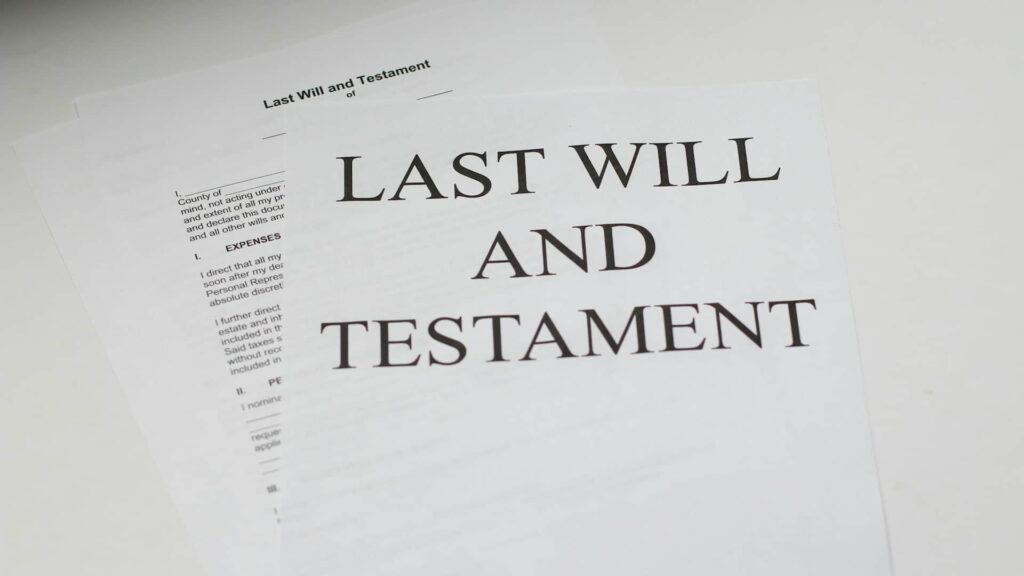
A well-prepared emergency folder usually includes personal identification documents, medical information such as a living will or advance directive, and legal documents like a power of attorney. It should also contain insurance information, contact details for close family members, and a short overview of important contracts or subscriptions.
Because so much of life now happens online, it is also useful to include instructions for digital access, such as where passwords are stored or how a trusted person could access your password manager if necessary.
Some people also include funeral wishes or personal preferences. Even brief notes can help guide family members during a difficult time.
The goal of an emergency folder is not to store every document you own. Instead, it should act as a clear roadmap that helps your family quickly find the information they need and understand what to do next.
Let’s look at each of these items in particular:
Personal Identification and Essential Documents
Start with the documents that prove your identity and legal status.
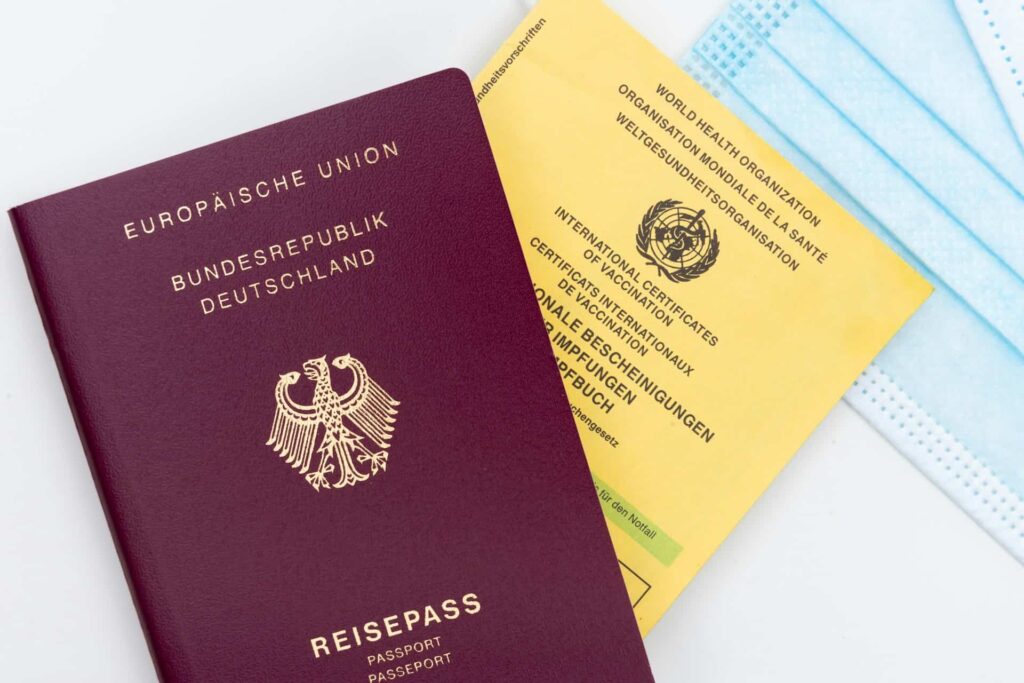
These include copies of your passport or ID card, health insurance details, and other documents that are often required in administrative or medical situations. This may also include your health insurance card information and your tax identification number.
You do not necessarily need to store the originals in the folder, but it should clearly state where they can be found. Even a simple note explaining where documents are stored can save hours of searching during an emergency.
💡 With Meolea, you can create an emergency folder and give your loved ones access to it in just a few clicks.
Medical Documents and Advance Directives
Medical information becomes extremely important if you cannot communicate your wishes.
Your emergency folder should include any living will or advance directive you have created. These documents explain what kind of medical treatment you want or do not want if you are unable to make decisions yourself.
If you have assigned a power of attorney for healthcare decisions, this document should also be easy to find. Your family and doctors may need it quickly in order to act on your behalf.
It can also help to include basic medical information such as chronic conditions, medications, allergies, and the contact details of your primary doctor.

Insurance Policies
Insurance is another area where families often struggle to find information.
Include a short overview of your insurance policies, such as health insurance, life insurance, disability insurance, and property insurance. The goal is not to store every policy document but to clearly list the insurer, policy number, and contact details.
This allows your family to quickly notify insurers or clarify coverage if something happens.
💡 Make sure that you have the most important insurances included in your advance planning.
Emergency Contacts
Your emergency folder should also clearly list the people who should be contacted.
This usually includes close family members, trusted friends, and sometimes professional contacts such as lawyers or financial advisors. It is helpful to note the relationship and preferred contact method for each person.
If you have appointed someone with power of attorney, that person should be highlighted clearly.

Subscriptions and Financial Commitments
Modern life includes many ongoing payments that are easy to forget.
Streaming services, phone contracts, software subscriptions, gym memberships, and insurance premiums can continue running even when someone is unable to manage them.
Your emergency folder should therefore contain a short overview of recurring subscriptions and financial obligations. This helps your family avoid unnecessary costs and understand your financial situation more quickly.
💡With Meolea, you can track all your subscriptions and provide clear instructions how and where to cancel them.
Digital Accounts and Password Access
A growing part of our lives exists online.
Email accounts, cloud storage, social media, online banking, and digital subscriptions often contain important information or memories. Without access, families can struggle to manage these accounts or preserve important data.
Instead of writing down every password, it is usually safer to note where your password manager is stored and how a trusted person can access it if necessary.
💡 Meolea lets you do that easily!
Funeral Wishes and Personal Preferences
Many people also choose to include basic funeral wishes in their emergency folder.
This does not need to be a detailed plan. Even a few sentences about your preferences can give your family guidance during a difficult time. Some people want a traditional burial, others prefer cremation, a quiet ceremony, or a celebration of life.
When wishes are written down, families do not have to guess.

Paper Folder or Digital System?
Traditionally, people stored their emergency folder as a physical binder at home.
Today, a digital system like Meolea allows you to update documents easily and share access with trusted family members when needed. It can also keep sensitive information like passwords more secure.
What matters most is that your information is organized and accessible to the people who may need it.
The Most Important Step Is Starting
Creating an emergency folder does not have to be complicated.
You can start with a few key documents and add more information over time. Even a basic folder with identification, emergency contacts, and medical information can make a huge difference for your family.
Life is unpredictable. A little preparation today can spare your loved ones a great deal of stress tomorrow.
Frequently Asked Questions About Emergency Folders
What is an emergency folder?
An emergency folder is a collection of important documents and information that your family may need if you become seriously ill, hospitalized, or unable to manage your affairs. It typically includes identification documents, medical directives, insurance information, important contacts, and instructions for accessing key accounts.
Why is an emergency folder important?
An emergency folder helps your family quickly find critical information during stressful situations. Without it, loved ones often spend hours searching for documents, contacting institutions, or trying to access accounts. A clear folder saves time, reduces confusion, and ensures your wishes and important information are known.
Where should you store an emergency folder?
An emergency folder can be stored either physically at home or digitally in a secure platform. What matters most is that trusted family members know where it is and can access it if necessary.
Many people choose a digital solution because it allows documents to be updated easily and shared securely with trusted contacts.
When should you create an emergency folder?
Ideally, everyone should create an emergency folder as early as possible in adulthood. Unexpected illness or accidents can happen at any age, and having basic information organized can make a significant difference for family members.
Even a simple folder with identification, contacts, and medical information is a good starting point.
Is an emergency folder the same as a digital legacy plan?
No. An emergency folder focuses on the information needed immediately if something happens to you, such as documents, contacts, and instructions.
A digital legacy plan goes further and includes detailed instructions about managing digital accounts, online data, and personal digital assets after death.
Meolea makes End-of-Life Planning and Legacy Management super simple! In 5 minutes you can start making preparations and invite your family members.