


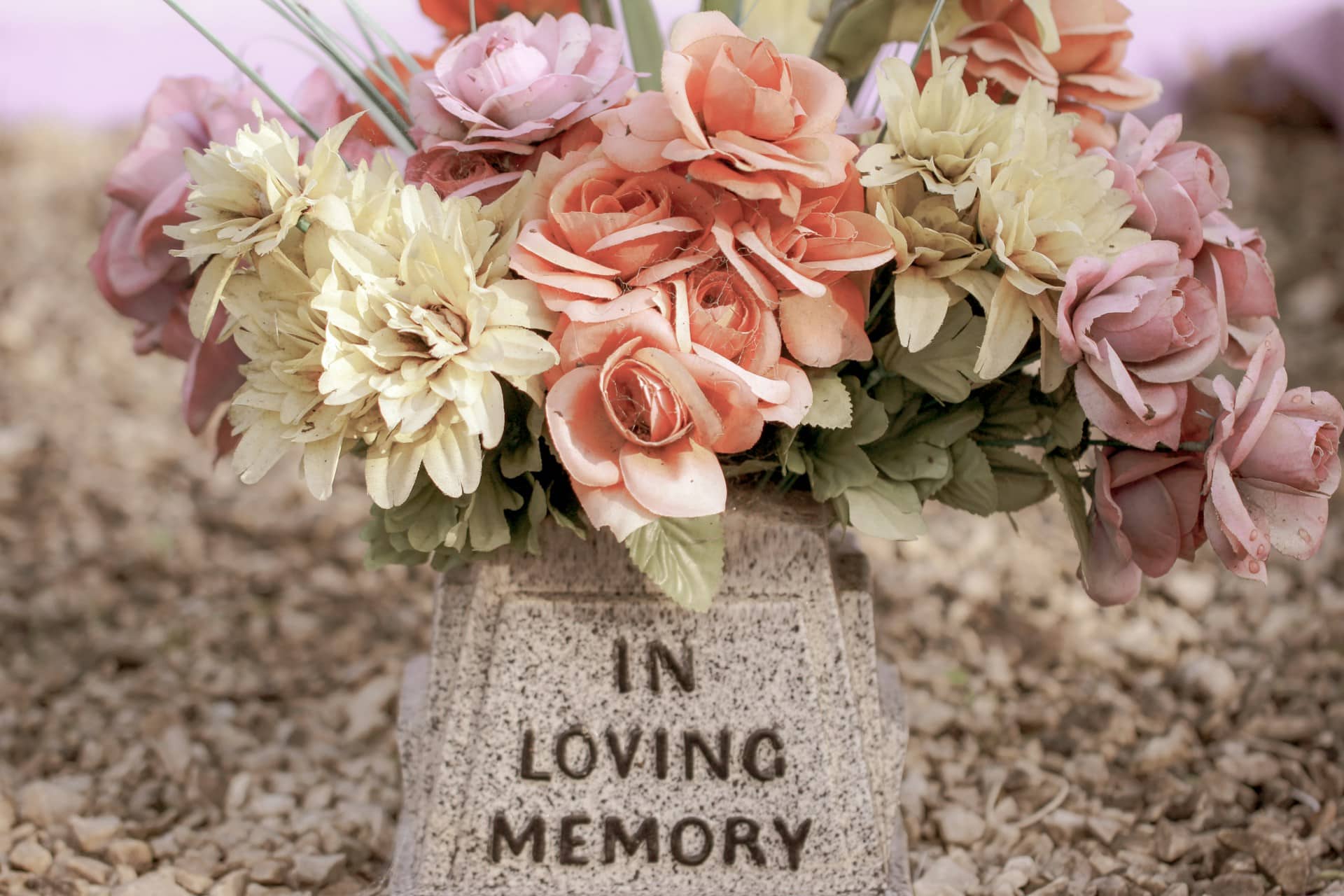
Paying respects is the act of honoring the deceased’s memory through a visit, a service, or by sharing sympathies with loved ones.
It is a way of acknowledging a loss and showing support to those who are grieving.
What paying respects does
Paying respects provides a simple and meaningful way to acknowledge a person’s passing.
It allows individuals to:
- honor the memory of the deceased
- express sympathy and support
- participate in shared moments of remembrance
It can take many forms depending on personal, cultural, or religious preferences.
Why paying respects is important
Paying respects plays an important role in social and emotional support.
Without it:
- grief may feel more isolating
- families may feel unsupported
- the loss may feel less acknowledged
With it:
- connections are strengthened
- support is expressed in a tangible way
- the memory of the deceased is recognized
How people pay respects
People may pay respects in different ways, such as:
- attending a funeral or memorial service
- visiting a gravesite or memorial
- sending flowers, messages, or condolences
- participating in cultural or religious rituals
There is no single “correct” way to do this.
What paying respects does NOT do
Paying respects does not:
- follow a fixed format or obligation
- replace formal funeral arrangements
- require a public or large gesture
It is a personal expression of respect and support.
When to pay respects
Paying respects may take place:
- shortly after the death
- during funeral or memorial services
- at a later time through visits or messages
It can also continue over time in different forms.
Common misunderstandings
Some common misconceptions include:
- thinking there is a “right” or “wrong” way
- assuming it must be formal or public
- feeling pressure to say the perfect thing
In practice, sincerity matters more than form.
Related concepts
- Condolences
- Memorial Service
- Funeral Rite
- Grief Counseling
Practical note
Paying respects can be a small gesture, but it often has a meaningful impact on those who are grieving.
Notes
- kept tone human and simple (important for this topic)
- avoided over-structuring (fits emotional nature)
- still aligned with glossary format
- strong linking into grief + memorial cluster
Meolea makes End-of-Life Planning and Legacy Management super simple! In 5 minutes you can start making preparations and invite your family members.